


AI, Fashion, and the Future of Modeling: Should Models Be Worried?
Not long ago, the idea of digital avatars walking runways or starring in luxury campaigns felt like science fiction. Now, it’s our feed.
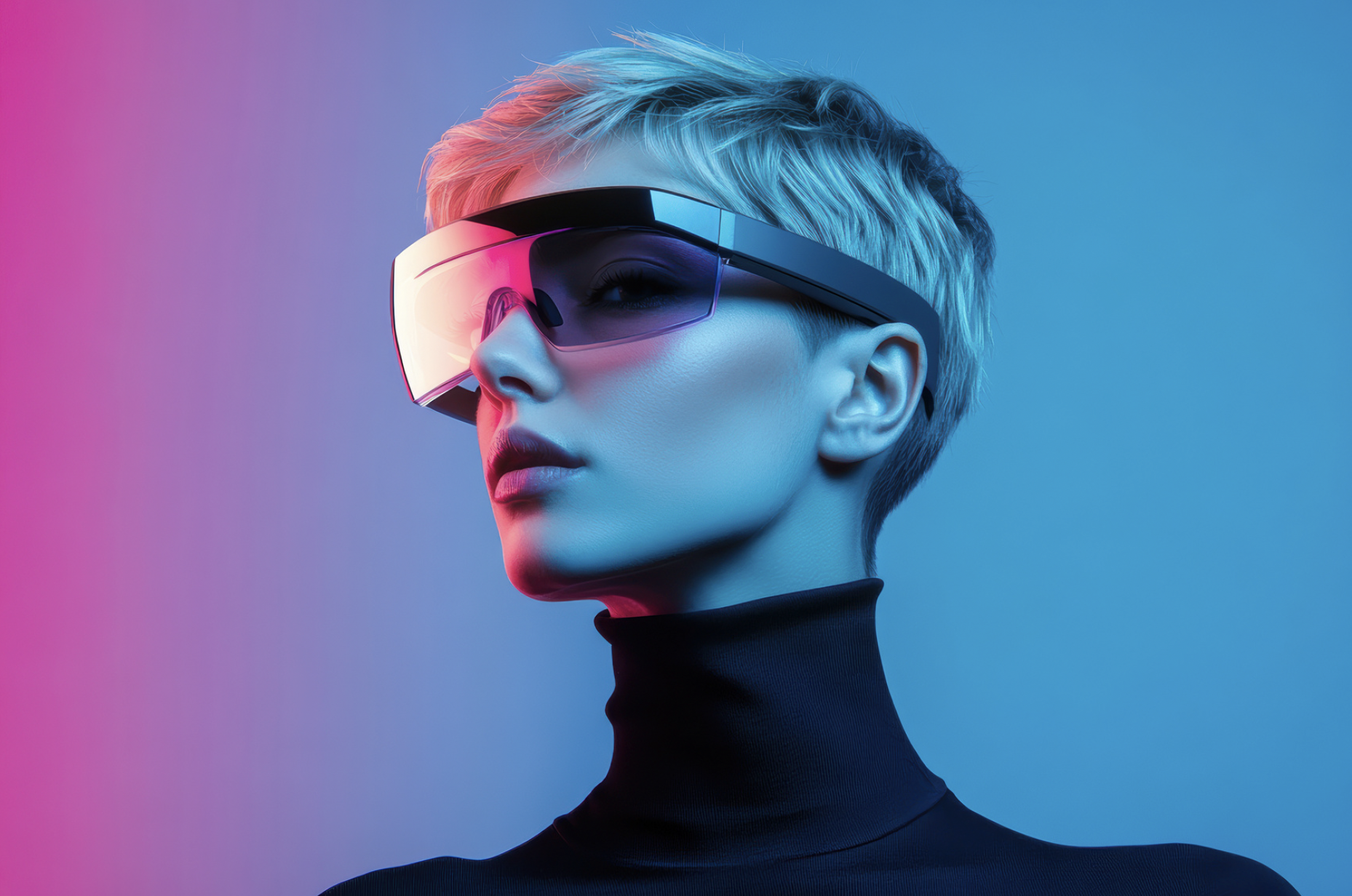
AI-generated models are gracing magazine covers, starring in campaigns, and even “signing” with agencies. It’s all happening — and it’s sparking questions across the industry.
In a world where algorithms can curate aesthetics and avatars can “pose” flawlessly, one question keeps coming up: Will AI replace real models, or just redefine what it means to be one?
From Hype to Reality: The Rise of the Digital Face
The fashion industry has always loved a fantasy — and tech is delivering one in 4K.
Brands like Balenciaga and Prada have dipped into the digital world, while Lil Miquela, the computer-generated influencer, has landed real-world sponsorships and millions of followers — without ever stepping on set.
She’s not real — but she just booked a campaign.
Digital models don’t get tired. They don’t age. They’re always “camera-ready.” But beneath the shine lies a bigger truth: they’re still simulations — lacking the depth, nuance, and unpredictability of a living, breathing model.
But Can AI Replicate What’s Real?
Sure, a program can generate flawless bone structure. But it can’t generate energy.
It can’t laugh on cue, command a runway, or shift a room with one look. That’s the power of a real model. That’s the difference clients remember. And that’s something AI hasn’t figured out — yet.
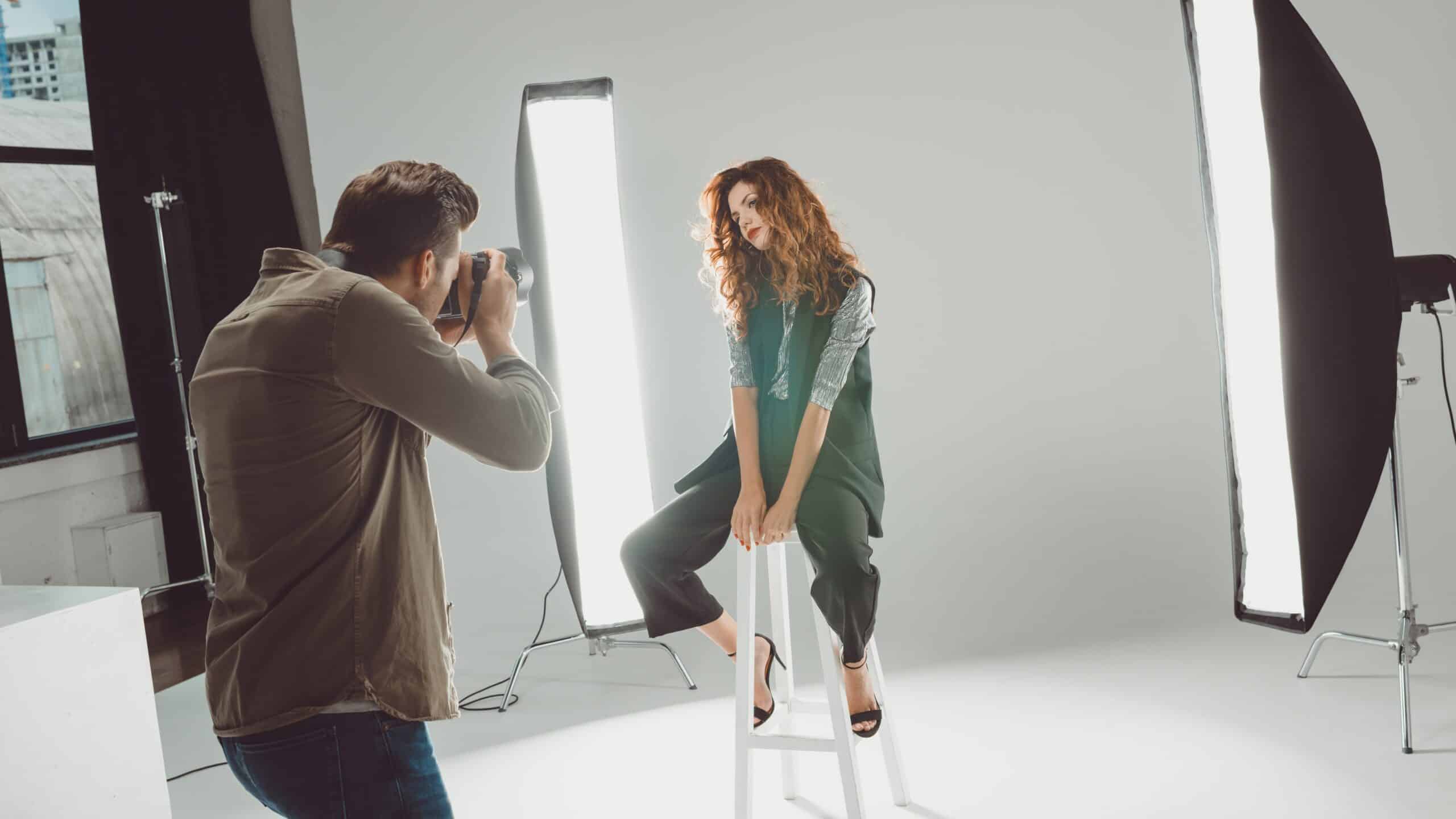
At Orange, It’s Still About People
At Orange Model Management, the future is being watched closely — but the core remains unchanged.
There’s definitely an awareness of how fast things are evolving, says one booker at the agency.
But our focus is still on people. Real stories, real energy. AI might be a trend, but connection is what brands always come back to.
And that’s the key. While some agencies chase novelty, Orange doubles down on what’s always worked: presence, professionalism, and personality.
New Tools, New Expectations
The truth is, models today are expected to be more than a face. They’re expected to build personal brands, understand digital tools, connect with audiences, and often — grow a following.
In a way, the arrival of AI is just the latest evolution of the job. It’s not the end — it’s a shift.
The strongest models aren’t just beautiful — they’re adaptable.
Smart Models Are Learning, Not Worrying
Instead of panicking, many models are playing smart. They’re:
- Experimenting with AR makeup filters
- Creating digital twins for virtual campaigns
- Learning how AI tools can enhance, not erase, their craft
Think of it like this: acting, styling, branding, digital fluency — it’s all part of the new model toolkit.
The Future Isn’t Virtual — It’s Evolving
So should models be worried? Not if they’re paying attention. Not if they’re evolving with the industry, not behind it.
Fashion doesn’t stand still. Neither should you.
Because in the end, the future of modeling isn’t about perfect pixels — it’s about real impact. And that’s something only a human can do.